
Clinic note
When a pregnancy needs closer care
A pregnancy is called high risk when your health, this pregnancy, or a previous birth makes a complication more likely. The label is a plan for closer care, not a prediction that the birth will go badly.
- Published
- Written by
- Dr. Anusha Mallarapu
- Reading time
- 1 min read
- Related care
- High-risk pregnancy

What makes a pregnancy high risk?
The reason may be diabetes, high blood pressure, thyroid disease, more than one baby, a baby who is not growing as expected, or a medical problem you had before you conceived. Age can matter, but age alone is not a diagnosis.
A routine visit schedule is not enough once blood pressure, sugar, or growth has moved outside the usual range.
What changes in the visits?
The first job is to name the risk. Visits, tests, and the place of birth then follow that risk, and they change if the risk changes. Scans look at growth and, when needed, blood flow.
If another specialist is needed, for example for diabetes, that opinion is added to the obstetric plan rather than replacing it.
Where is the birth planned?
Dr. Anusha Mallarapu follows these pregnancies in Puppalaguda and arranges delivery at Bhoomi Hospital. You see the same doctor at the clinic and for the birth plan.
Questions
Does high risk mean the pregnancy will go badly?
No. It means the visits, medicines, and delivery plan are set more closely around the problem that was found.
Can a routine pregnancy become high risk later?
Yes. If blood pressure, sugar, or the baby’s growth changes, the schedule is tightened. The pregnancy is not dropped from the plan.
More notes
All notes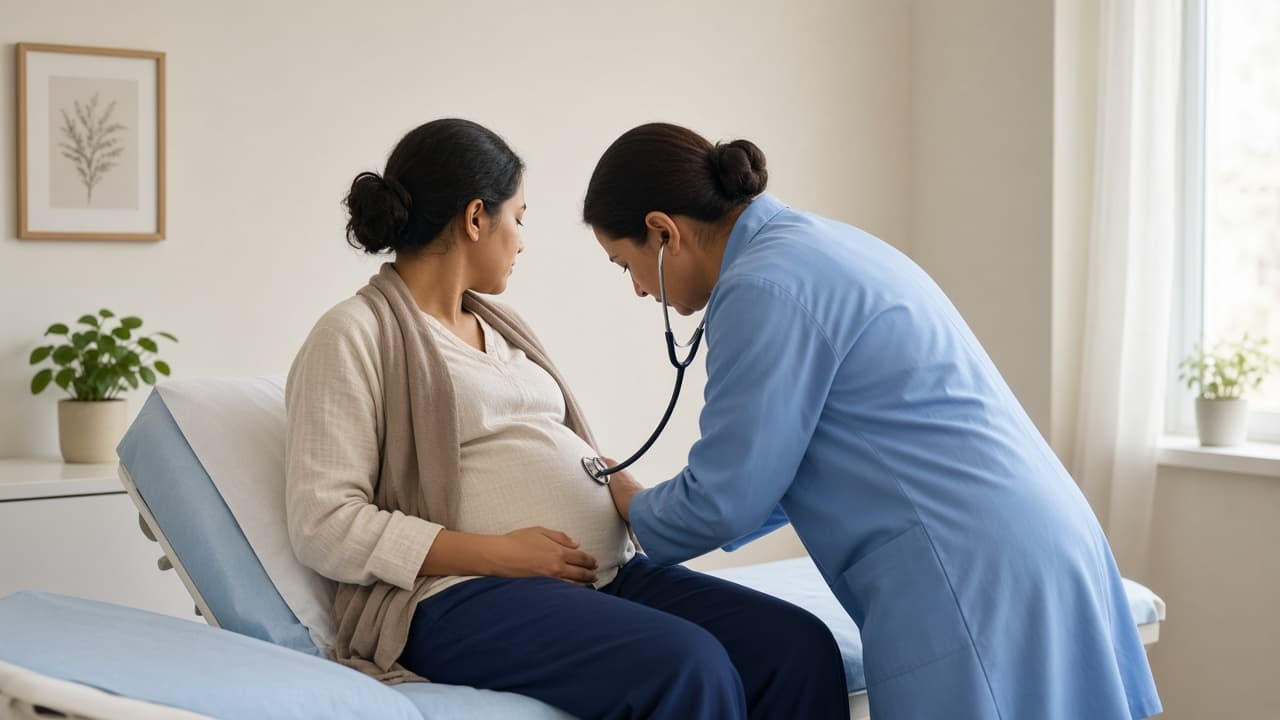 What happens at a pregnancy visit in PuppalagudaWhat a pregnancy visit with Dr. Anusha Mallarapu covers: history, checks, scans, and a birth plan aimed at a safe vaginal delivery.Read the note
 What a fertility work-up includes before treatmentHow fertility counselling works for couples in Puppalaguda: history first, tests that change the plan, and a named next step before any procedure.Read the note