
Clinic note
Laparoscopy and hysteroscopy, explained
Laparoscopy looks and operates through small incisions in the abdomen. Hysteroscopy uses a camera through the cervix to see inside the uterus. The operation is planned at the clinic and done at Bhoomi Hospital.
- Published
- Written by
- Dr. Anusha Mallarapu
- Reading time
- 1 min read
- Related care
- Laparoscopy and hysteroscopy

What is the difference between the two?
Laparoscopy is keyhole surgery in the abdomen. It is used for problems such as fibroids, ovarian cysts, and endometriosis when an operation outside the uterus is needed.
Hysteroscopy stays inside the uterus. It is used for polyps and other findings that can be seen and treated through the cervix, without an abdominal incision.
How is the operation planned?
You are told what will be removed or treated, what might be found that changes the operation, the anaesthetic, and the likely stay. Blood tests and fitness for anaesthesia are arranged at Bhoomi Hospital.
A date is not fixed until those checks are acceptable. The aim is the smallest operation that treats the problem, so recovery matches what was actually done.
What should you expect about recovery?
Keyhole surgery is planned for less pain and a shorter recovery than open surgery, when it is the right route. It is still an operation. The clinic explains the recovery that fits the procedure you are having, not a general promise.
The planning visit is at the clinic. The procedure itself is at Bhoomi Hospital.
Questions
Is every fibroid or cyst treated with laparoscopy?
No. The route is chosen from the finding. Some problems are treated by hysteroscopy, some by laparoscopy, and some do not need an operation.
Where is the surgery done?
Hospital procedures are arranged at Bhoomi Hospital. The plan is made at the Puppalaguda clinic first.
More notes
All notes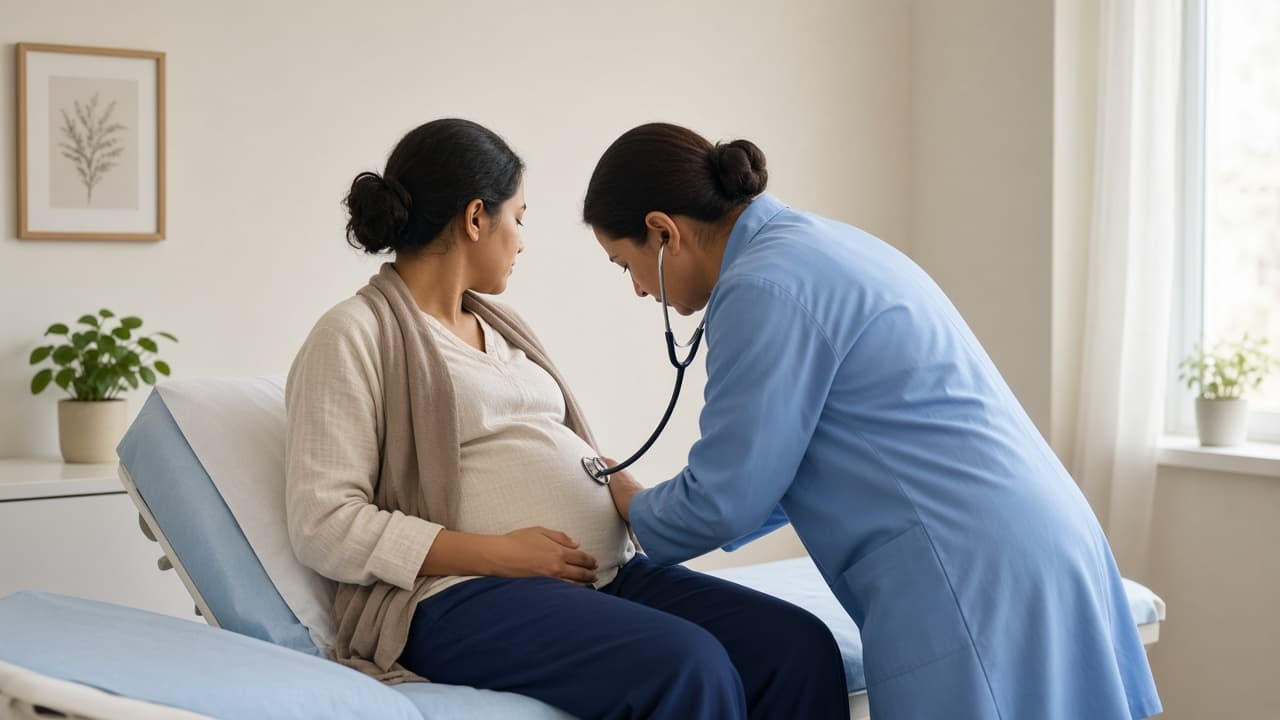 What happens at a pregnancy visit in PuppalagudaWhat a pregnancy visit with Dr. Anusha Mallarapu covers: history, checks, scans, and a birth plan aimed at a safe vaginal delivery.Read the note
 When a pregnancy needs closer careWhat high-risk pregnancy means at this clinic: closer visits for diabetes, blood pressure, growth, and a delivery plan at Bhoomi Hospital.Read the note